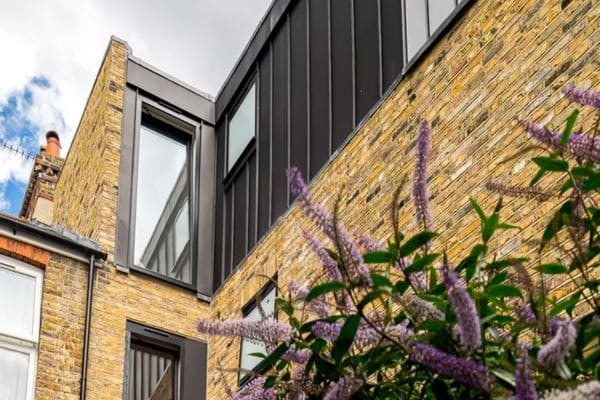
London homes have a habit of surprising you when you start looking upwards and suddenly that dusty attic starts feeling like a real opportunity for more space and comfort, and this is where careful planning becomes important because loft conversions are not just about adding rooms but about shaping how a home feels day to day.
Many homeowners begin with excitement but quickly realise there are structural limits, planning rules and design choices that can feel overwhelming without the right guidance, so thinking ahead and understanding the space is what makes the biggest difference.
At this stage, many people search for loft conversion architect in london thinking it is the key to unlocking the right design direction, and while the term is widely used, what truly matters is finding someone who understands light, structure and practical living in equal measure.
Designing with Real Life in Mind
A loft should never feel like an afterthought, it should feel like it always belonged there, and that only happens when the design respects the rhythm of the home below it and the way people actually live inside it. Natural light is one of the biggest game changers in these spaces, because even the smallest adjustment in window placement can turn a dark storage area into a calm and welcoming room that feels connected to the rest of the house.
There is also the challenge of head height, stair positioning and storage integration, all of which need careful thought so the final result does not feel forced or cramped but instead flows naturally from the existing structure.
Good design is not about overcomplicating things but about simplifying choices so the space feels effortless to use every single day.
Extensions and the Wider Home Picture
Sometimes the conversation does not stop at the loft because families often realise the whole house needs rethinking to create better balance between space and function, especially in growing households where flexibility becomes essential. This is where planning for ground level changes can become just as important as what happens above, particularly when considering how new spaces connect with kitchens, gardens and living areas.
In many cases people also look for a rear extension architectural designer in london when they want to extend their living area outward while keeping a strong sense of flow between indoor and outdoor spaces, and the best results usually come when both loft and extension ideas are considered together rather than separately.
The real skill lies in making sure nothing feels like an add on, but instead part of a single clear vision for the home.
The Emotional Side of Home Transformation
Beyond drawings and measurements, there is always an emotional layer to changing a home because it is where daily life unfolds, where routines are built and where comfort really matters. Good design quietly supports that life without demanding attention, making mornings easier, evenings calmer and weekends more enjoyable without you even noticing why. When space is designed well, it reduces stress, improves movement through the home and even changes how connected people feel within their own environment.
Bringing It All Together
A well planned loft or extension is not just a construction project, it is a long term improvement to how a home supports the people living inside it, and every decision from layout to light plays a part in that outcome. The most successful transformations happen when planning, design and practical living all come together with clear intention, patience and a focus on real human comfort rather than trends. In the end, it is not just about adding space, it is about creating a home that finally feels like it works with you instead of against you.


Comments are closed.