There is a language problem buried inside the way most cities talk about accessible transport. The words that get used, “special needs,” “disability services,” “modified vehicles for those who require them,” carry a quiet implication. That accessible transport is a subset. A niche. Something arranged separately for people outside the mainstream.
That framing is wrong. And it is worth unpacking why it matters.
Accessibility Is Not a Niche Need
The Australian Bureau of Statistics estimates that around one in five Australians lives with some form of disability. Add temporary mobility impairments from injury or surgery, older adults with reduced mobility, pregnant women, parents with prams, and travellers with heavy luggage and the number of people who benefit from accessible, spacious, thoughtfully designed transport climbs dramatically.
The idea that accessible transport is a small edge case catering to a narrow group is simply not accurate. It is a design choice that serves almost everyone better.
The Argument for Designing Upward
There is a well documented principle in product and urban design sometimes called the curb cut effect. When cities added curb cuts for wheelchair users, cyclists and people with prams and delivery workers also benefited enormously. A feature designed for accessibility improved the experience for nearly everyone.
The same principle applies to transport. A vehicle with proper vertical clearance and a ramp system works beautifully for a wheelchair user and also works perfectly well for an elderly passenger who struggles with low entry points. It works for a family with a pram. It works for anyone with luggage too big for a standard sedan.
When Perth operators offer a wheelchair accessible taxi perth service, they are not creating a workaround. They are offering a better baseline.
The Planning Gap That Keeps Showing Up
One of the consistent frustrations reported by people with disabilities and their families is not that accessible options do not exist. It is that they have to be planned so far in advance, with so much more effort, that it stops feeling like equal access.
Standard transport is spontaneous. You need a cab, you get one. Accessible transport often requires booking days ahead, confirming vehicle specifications, and hoping the right vehicle is actually available when you need it.
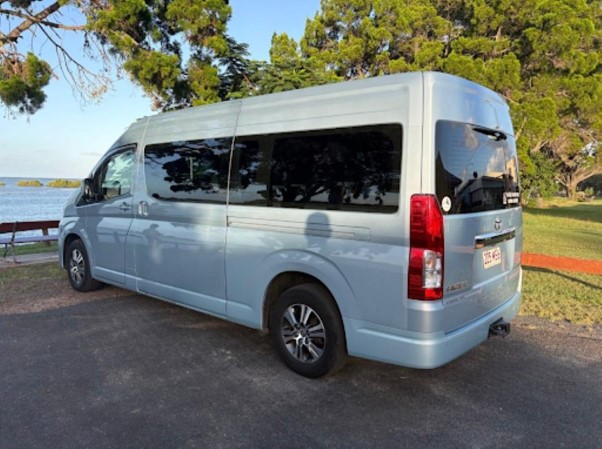
Closing that gap requires investment from operators and from cities in making accessible vehicles the norm rather than the exception. Every maxi cab perth operator that builds accessibility into their standard fleet rather than treating it as a special request is moving in the right direction.
What Better Looks Like
The goal is not a separate system for people with disabilities running alongside the regular system. The goal is one good system that works for everyone.
Cities and transport operators that understand this are already ahead. They are not asking passengers to justify their need for space or assistance. They are simply providing vehicles that work, with drivers who are trained, and booking systems that make reliable access the default.
That is not idealistic. It is practical. And it is long overdue.

Leave a Reply